In 2018, Burberry’s annual report admitted something the industry had done for decades without putting it in writing: the company had destroyed £28.6 million worth of its own unsold clothes and cosmetics in a year, burning value rather than let it reach a discount rack where it might dilute the brand. The headline number forced a public promise to stop. The practice it exposed was no single company’s habit but the business model’s byproduct, everywhere.
Conventional apparel is a guessing game played months ahead. A brand forecasts what will sell next season, commits to factory minimums, and ships containers of inventory toward a demand curve that exists only in a spreadsheet. Guess low and you leave money on the table. Guess high, which is the safer error for a buyer to make, and the overrun starts its afterlife: markdowns, outlet malls, bulk exporters, shredders, landfill. The system is working as designed the whole time. Full shelves are the output it is optimized for, and the pile is what that output costs.
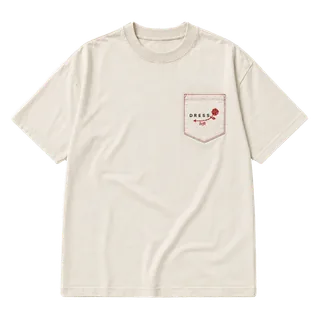
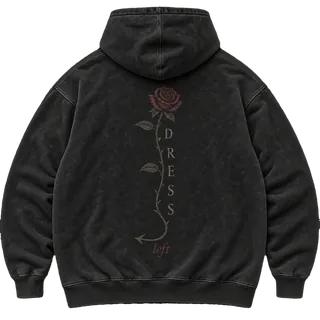
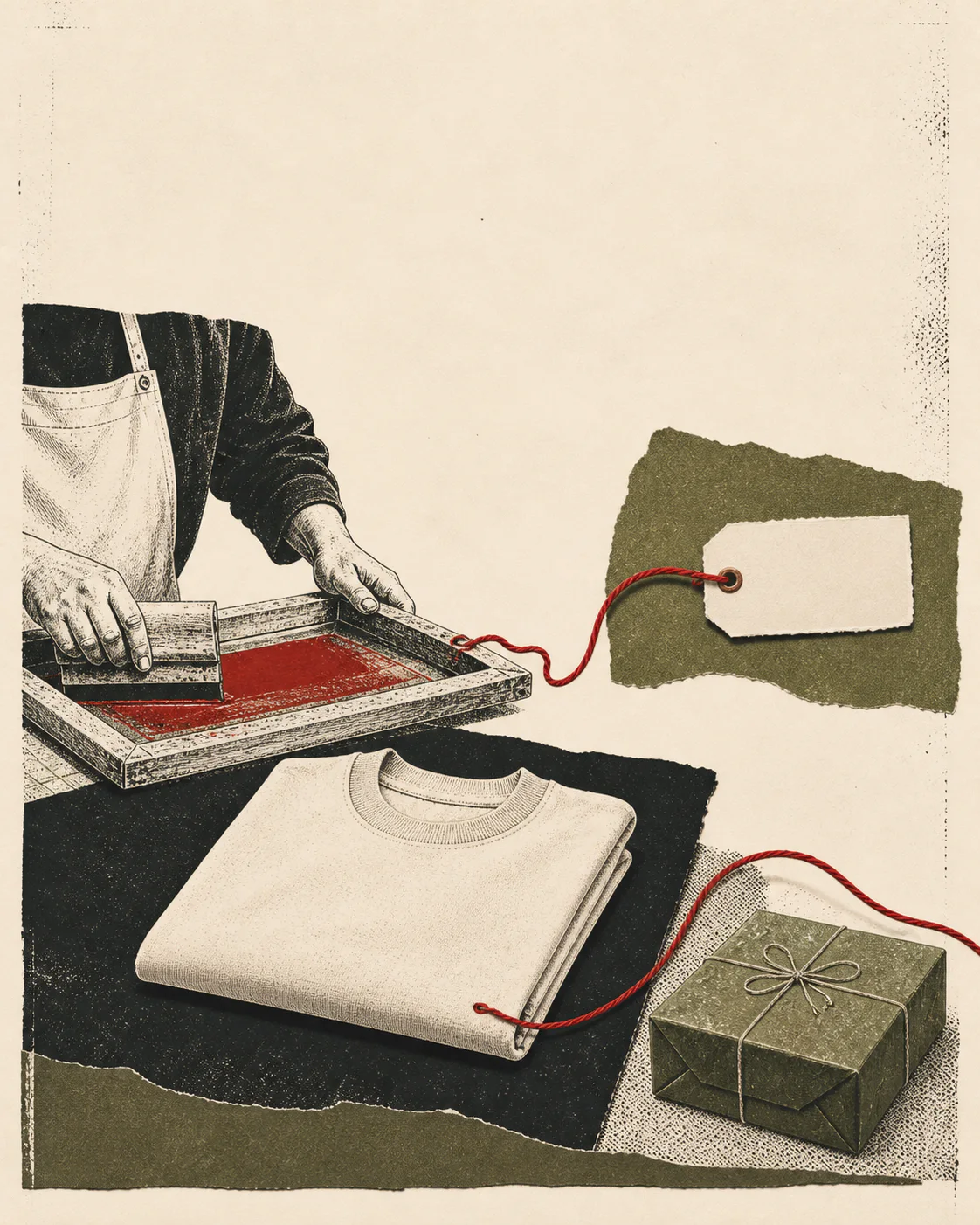
Building for the order is the fix, and it is an unglamorous one. Nothing gets made until someone buys it. Your order arrives, the garment is cut, sewn, finished and boxed, and it goes out. The inventory gamble never happens because there is no inventory, and the landfill run never happens because there is no overrun. Every DRESS garment in existence was asked for by name, in a size, in a colorway.
The reason more brands don’t do it is that the economics are harder, not that the result is worse. Per-unit production costs more without bulk runs, and there is no warehouse full of guesses to discount when a season goes wrong. What you get in exchange is a garment that was built because you asked for it, by people who were making one thing rather than ten thousand, and that difference shows up in the finishing.
There is a version of this pitch that wraps itself in planet-saving language and hopes you will not check the math, so here is the checkable claim and nothing beyond it. Made-to-order eliminates overproduction, which is one specific, large, deliberate harm. The cotton still has a footprint. The truck still burns fuel. Dye still uses water. What does not exist is a pile of unworn clothes made for a forecast.
That claim is easy for us to keep, and it is worth being clear about why: it costs us nothing to honor, because the structure makes the alternative impossible. There is no warehouse to overfill. A brand that holds inventory has to choose restraint every season. We just never built the thing that requires the choice.